New Specialized Municipal Waste Collection Vehicle to Improve Public Utility Services in the Municipality of Strumica

On 29 October 2026, the Centre for Development of the South-East Planning Region officially handed over a new specialized municipal waste collection vehicle, Ford Trucks 1833DC, aimed at improving public utility services and strengthening the waste management system in the Municipality of Strumica.

The vehicle was procured within the framework of the project “Modernization of the Region – Procurement of Specialized Vehicles”, implemented by the Centre for Development of the South-East Planning Region, with financial support from the Ministry of Local Self-Government – Bureau for Regional Development, through the Programme for Balanced Regional Development for 2026, and co-financing provided by the Municipality of Strumica.

The official handover took place at the premises of the public utility company in Strumica, marking an important step towards strengthening the technical and operational capacities of municipal services and ensuring more efficient and higher-quality public utility services.

The newly acquired specialized vehicle is intended for the collection and transportation of municipal solid waste. It will contribute to improving the organization and operational efficiency of municipal waste management services, as well as enhancing public cleanliness in both urban and rural settlements throughout the Municipality of Strumica.

The implementation of this investment is expected to generate several significant benefits, including increased efficiency in municipal waste collection and transportation, improved public hygiene, reduced risks of illegal dumping, and enhanced environmental protection.

Furthermore, the modernization of municipal infrastructure will enable more effective utilization of available resources, improve the quality of services provided to citizens, and contribute to creating a cleaner, healthier, and more sustainable living environment.

This investment represents another concrete step towards achieving the objectives of balanced regional development by supporting municipalities in improving local infrastructure, strengthening public services, and introducing more sustainable practices in municipal waste management.

The Centre for Development of the South-East Planning Region remains committed to implementing projects and investments focused on modernizing regional and local infrastructure, improving citizens’ quality of life, and promoting sustainable development throughout the South-East Planning Region.

Representatives of the South-East Planning Region Participate in the SIJMA Interregional Meeting in Kozani, Greece

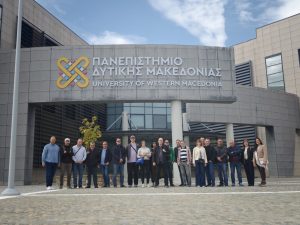
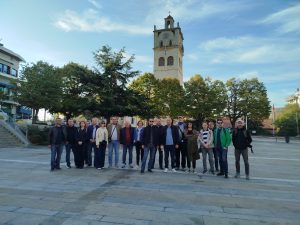
On 20 and 21 October 2026, representatives of the Centre for Development of the South-East Planning Region participated in the third interregional meeting held in Kozani, Greece, within the framework of the project Social Innovations for Job Opportunities and Development in Mining Areas in Transition across Europe (SIJMA). The meeting focused on social innovation, entrepreneurship, and employment opportunities in mining regions undergoing economic transition.

During the two-day programme, partners from North Macedonia, Greece, Germany, Spain and Hungary exchanged experiences, good practices and ideas for addressing challenges related to job losses, workforce migration and youth outmigration from transition regions.

The study visits to the Kozani Skills Development and Employment Centre, the Insocial Hub, the Regional Development Fund and the University of Western Macedonia provided valuable insights into successful mechanisms supporting the social economy, skills development, social entrepreneurship and local innovation initiatives.

Particular attention was given to the role of partnerships between public institutions, educational organisations, civil society organisations and the business sector in creating sustainable opportunities for local development and employment. Participants discussed how social innovation can contribute to job creation, economic diversification and improved quality of life in communities affected by the transition process.

The knowledge and experience gained during the meeting will contribute to the further development of regional policies and initiatives in the South-East Planning Region, with a focus on supporting entrepreneurship, strengthening skills development and creating better opportunities for young people.

The SIJMA project is co-funded by the Interreg Europe Programme and aims to foster interregional cooperation and policy learning to support employment and sustainable development in mining areas in transition across Europe.

Experiences from Leipzig and Borna in focus at the second meeting of the Regional Stakeholder Group under the SIJMA project.

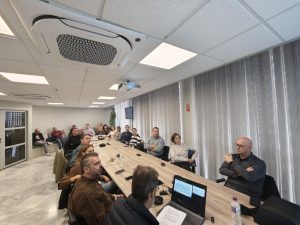
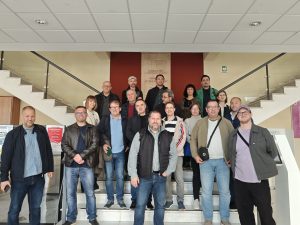
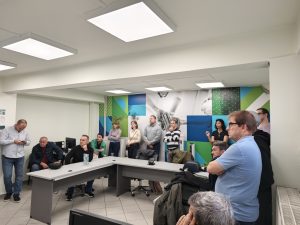
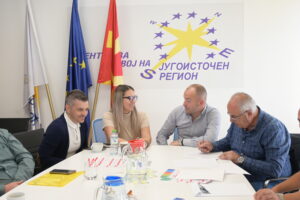
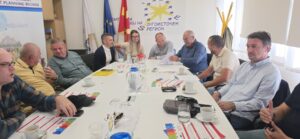
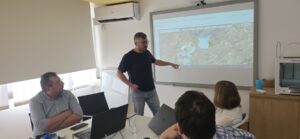
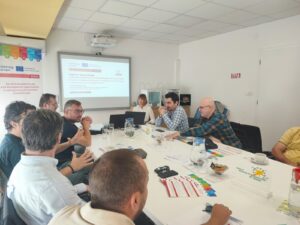
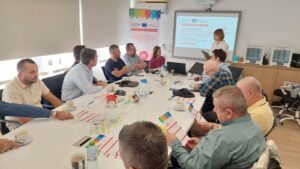
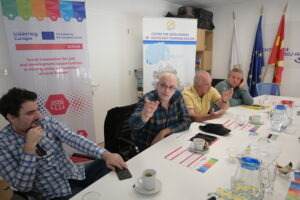
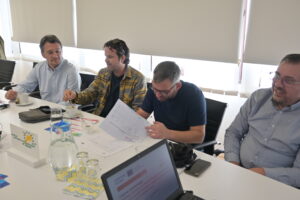
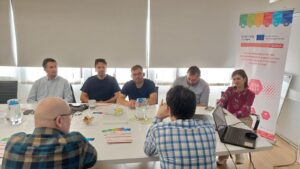
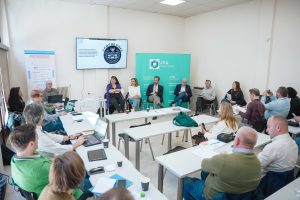
On October 6, 2026, the second meeting of the Regional Stakeholder Group took place at the premises of the Centre for Development of the South-East Planning Region in Strumica. The meeting was held within the framework of the SIJMA project—”Social innovations for job opportunities and development in mining areas in transition across Europe” – which is implemented under the Interreg Europe programme.

Representatives from municipalities within the South-East Planning Region and the non-governmental sector participated in the meeting. The discussion focused on experiences, insights, and best practices gained from the interregional study visit and thematic activities in Leipzig and Borna, Germany, with particular emphasis on how former mining areas manage structural changes and create new development opportunities.

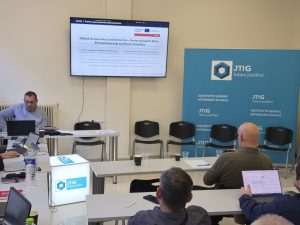
The German experiences were also examined in the context of the South-East Planning Region, specifically focusing on the mining areas of Radovish and Konche. A technical presentation titled “Technical Strategy for Post-Mining Transformation – Applying German Post-Mining Innovations (Borna/Leipzig) to the Mining Zones of Radovish and Konche” outlined opportunities to link the German experiences with regional challenges and potential. Particular attention was paid to the former Damjan mine, water resource protection and management, the reclamation of mining areas, and the potential of Lake Mantovo regarding agriculture, water supply, recreation, and tourism. The presentation was followed by an open discussion in which participants exchanged views on opportunities to apply and adapt some of the presented approaches to the conditions and needs of the South-East Planning Region.
Through such meetings, the SIJMA project facilitates learning from European experiences and linking them to the local context, while simultaneously fostering cooperation among local authorities, the civil society sector, and other relevant stakeholders.

The experiences and conclusions drawn from the interregional exchange among partner regions from North Macedonia, Spain, Germany, Greece, and Hungary will serve as a foundation for future project activities and for identifying potential approaches and measures for the sustainable economic and social development of areas facing structural changes linked to mining.

50 Healthcare Professionals Trained to Respond in Life-Threatening Situations

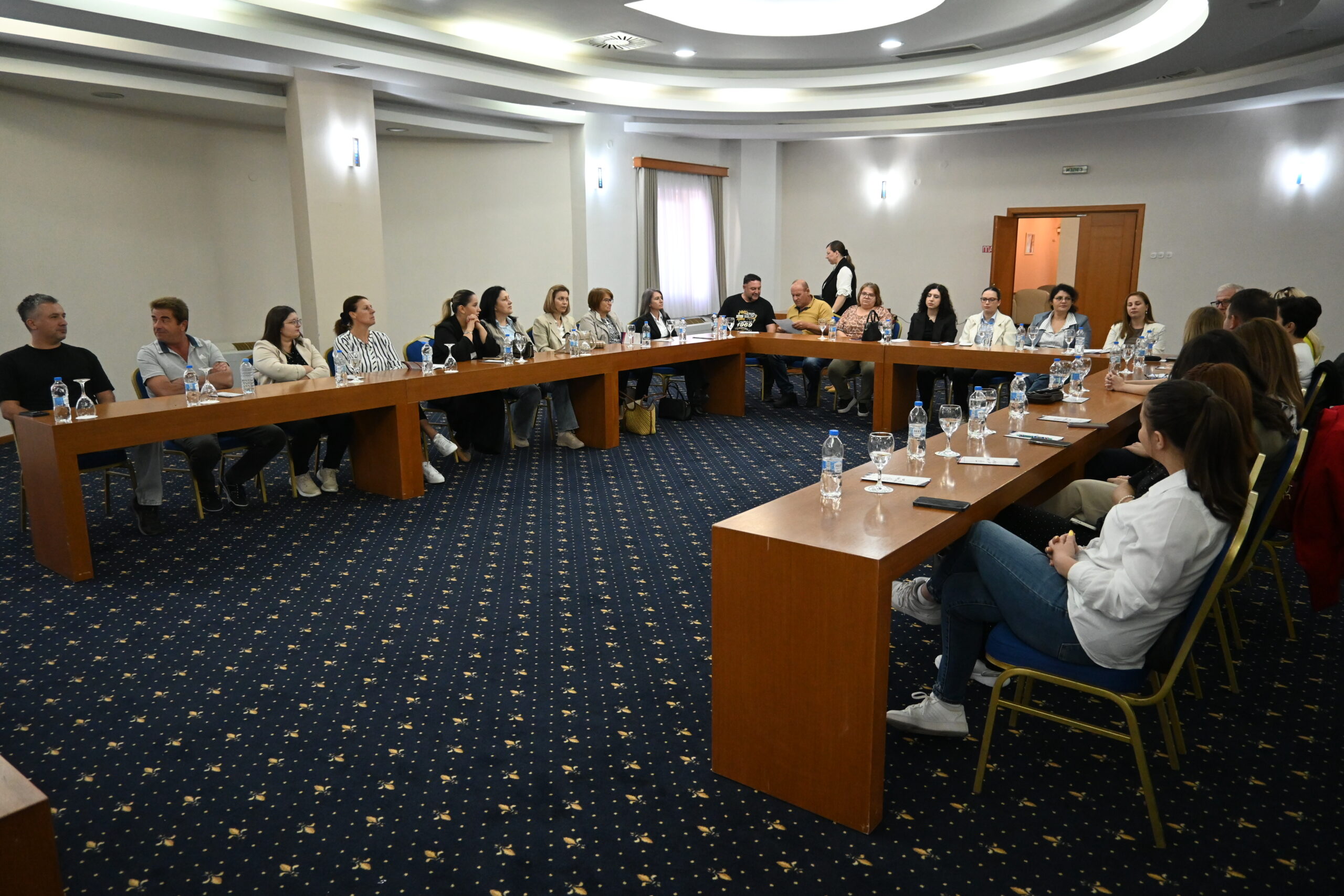
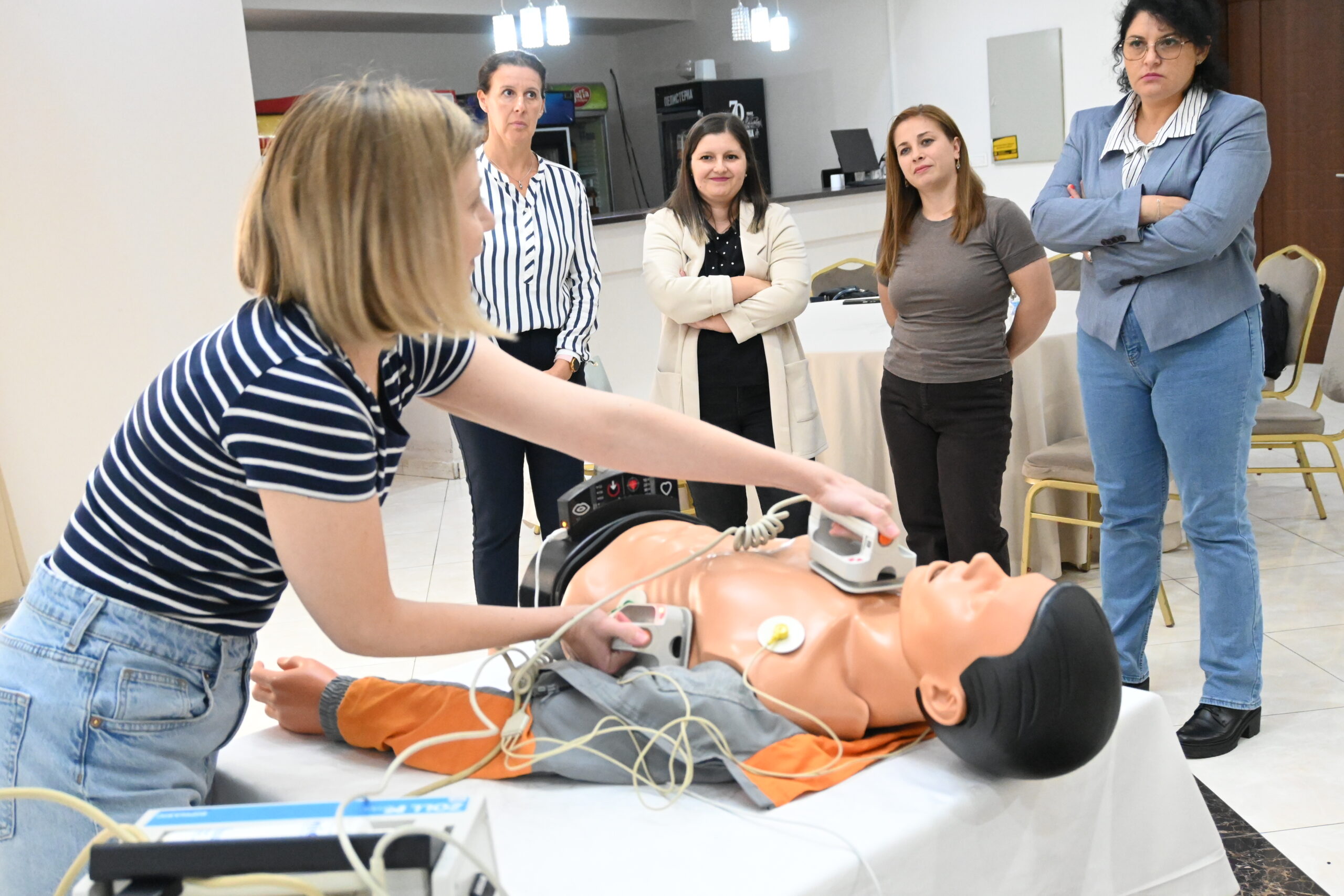
Knowledge and rapid response can make a critical difference when every second counts. This was the focus of the two-day Intermediate Life Support (ILS) Provider Course, successfully completed in Strumica, bringing together 50 healthcare professionals from the South-East Region.

The training took place on 30 September and 1 October at Hotel Sirius in Strumica, organised by the Centre for Development of the South-East Planning Region (CDSEPR) as part of the “Heart Safe CBA – Towards a Cross-Border Area Safe for the Heart” project, co-funded by the Interreg VI-A IPA CBC Greece – North Macedonia 2021–2027 Programme.

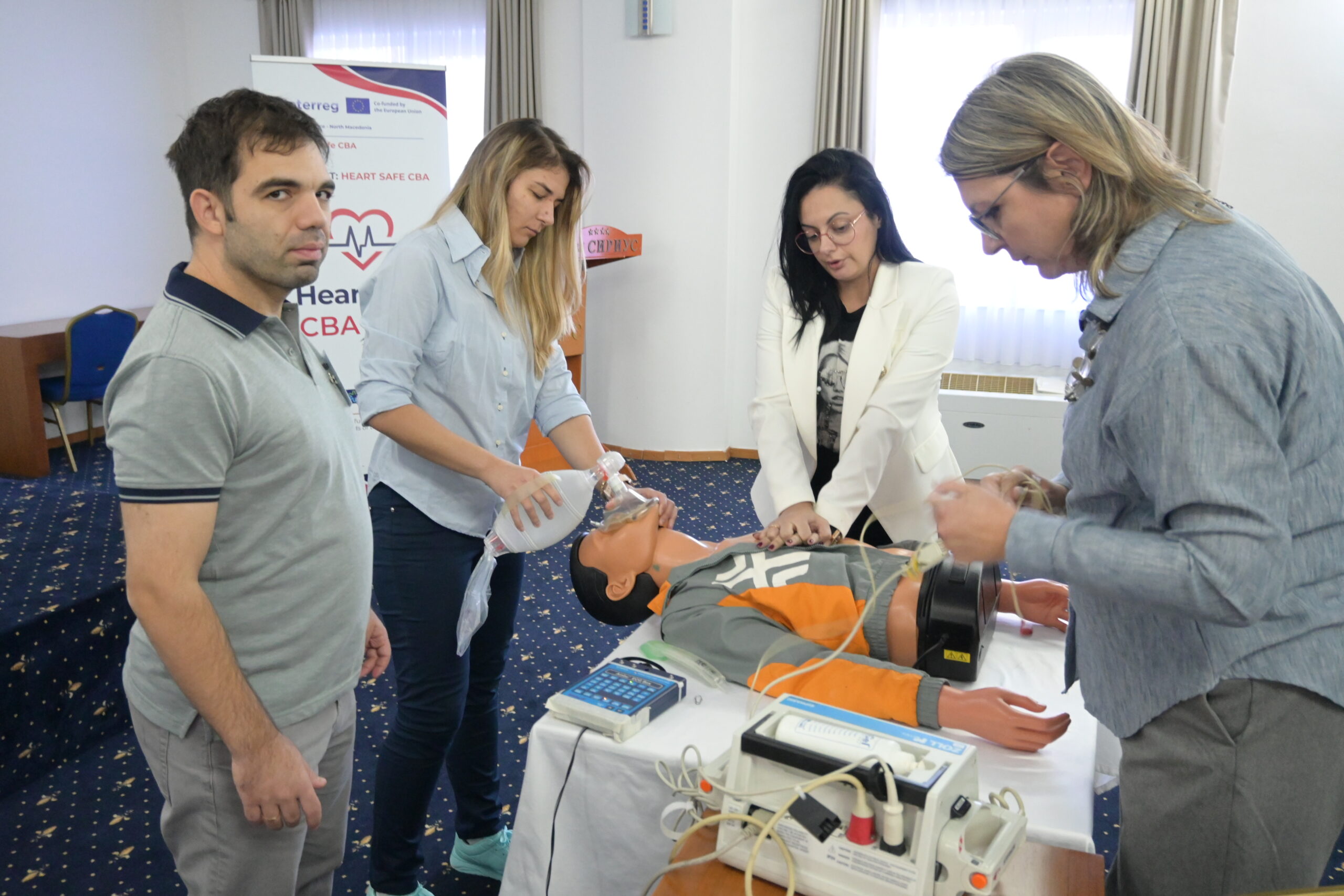
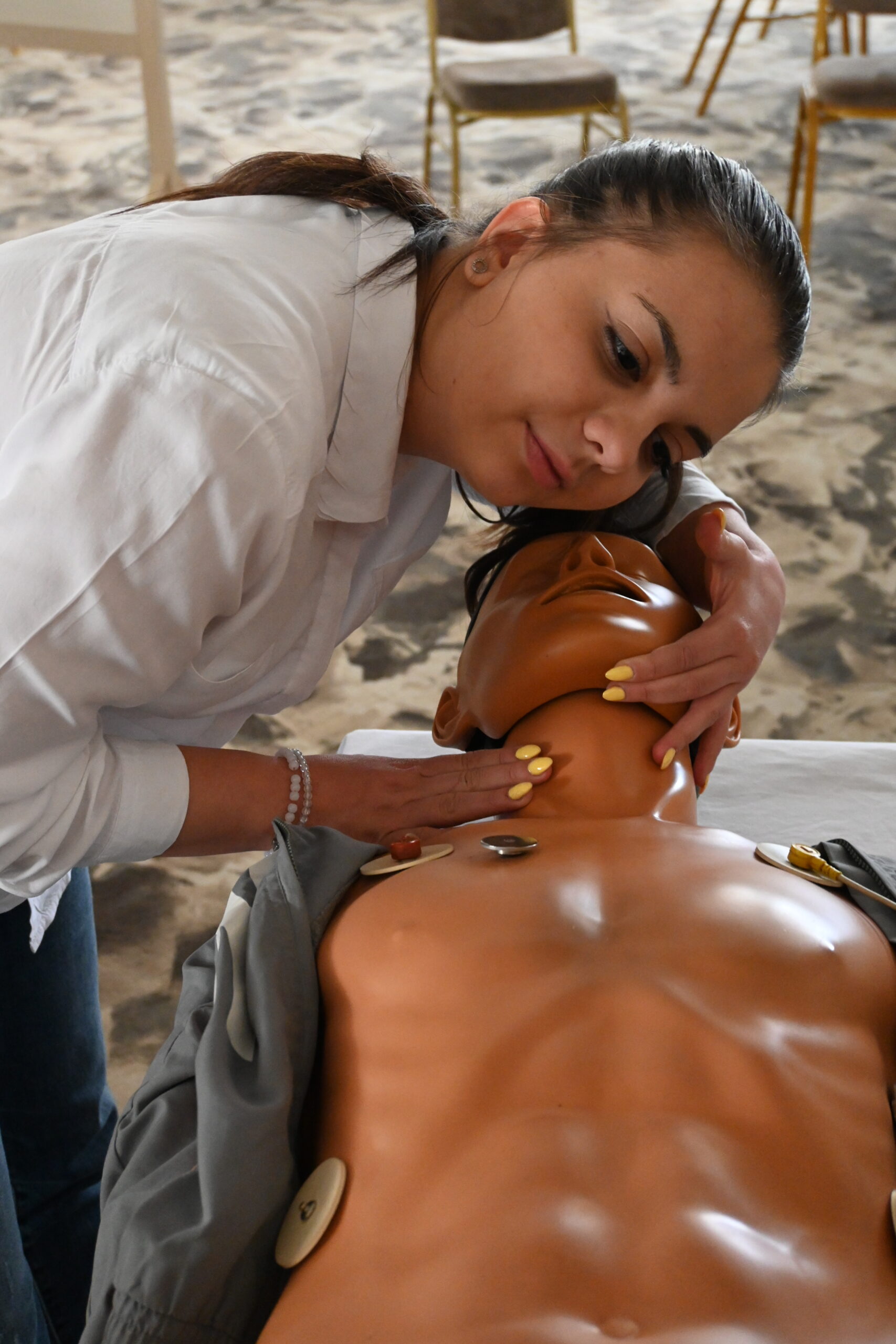
Doctors, nurses and other healthcare professionals spent two intensive days working with four trainers from the Greek project partners, combining theoretical instruction with practical exercises and simulations of emergency medical situations.

The training focused on strengthening participants’ practical skills in early recognition of life-threatening conditions, timely initiation of appropriate interventions and effective response in situations where speed, teamwork and coordination are essential.

Through practical sessions and work in small groups, participants had the opportunity to apply their knowledge in simulated emergency scenarios, making the training focused not only on acquiring knowledge but also on developing the confidence and practical skills needed for its application in real-life situations.

The Heart Safe CBA project contributes through such activities to strengthening the capacities of healthcare professionals and improving preparedness for medical emergencies across the cross-border area.

The ILS training is part of a broader set of activities implemented under the project, through which partners from North Macedonia and Greece are working together to strengthen healthcare capacities and contribute to creating a safer cross-border area.

Heart Safe CBA – Towards a Cross-Border Area Safe for the Heart.