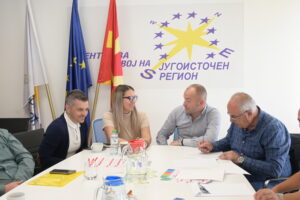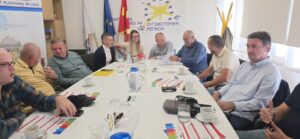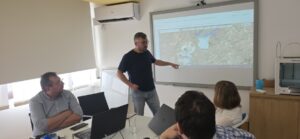
Centre for Development Participates in SIJMA Interregional Meeting in Leipzig

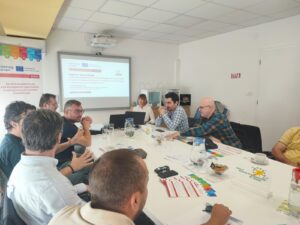
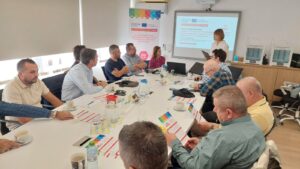
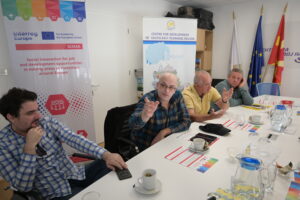
The Centre for Development of the South-East Planning Region actively participated in the second interregional meeting held on 28–29 April 2026 in Leipzig, Germany, organised within the project “Social innovations for job opportunities and development in mining areas in transition across Europe – SIJMA”, implemented under the Interreg Europe Programme. The meeting was hosted by the project partner Aufbauwerk Region Leipzig, Germany.

The meeting brought together project partners and regional stakeholders from across Europe with the aim of exchanging experiences, strengthening cooperation, and identifying innovative approaches to address labour market challenges through social innovation, particularly in regions undergoing transition.

Importantly, the delegation from the South-East Planning Region also included an expert and a stakeholder representatives, who were actively engaged in the workshop sessions. Their contribution ensured that the regional perspective was strongly reflected in the discussions, particularly in identifying challenges and proposing practical solutions relevant to the local context.

During the first day, participants took part in a series of study visits across the Leipzig district, where they explored practical examples of successful initiatives. These included a student cooperative in Borsdorf, a youth engagement centre at Störmthaler See, and the transformation of former mining areas into sustainable development zones. The visit also included a presentation on regional cooperation and structural transition in Central Germany, as well as a company visit showcasing innovation in the private sector.

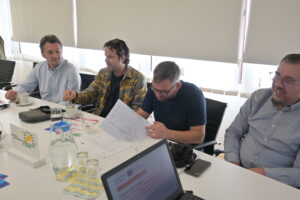
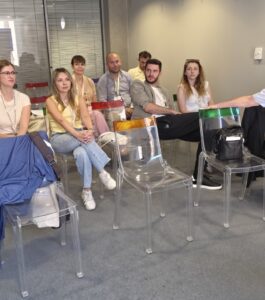
On the second day, the meeting continued in Borna with a Steering Committee session and expert presentations focused on structural changes in European regions. A dedicated workshop enabled partners to jointly identify key challenges, compare regional contexts, and discuss potential solutions within the SIJMA framework. The session also facilitated the exchange of good practices and ideas for improving employment opportunities through social innovation, with active input from the regional expert and stakeholder.

The participation of the Centre contributed to strengthening the regional perspective of the South-East Planning Region, while also providing valuable insights that will support the development of future measures and policies aimed at enhancing employability and social inclusion.

The SIJMA project continues to serve as an important platform for collaboration, knowledge exchange, and the promotion of innovative solutions that respond to the evolving needs of regional labour markets.

FIREDEFEND’s participation at the “Forward Green Expo” in Thessaloniki – exchange of experiences and promotion of sustainable practices

On March 27, the project team of the Centre for Development of the South-East Planning Region, as a partner in the FIREDEFEND project, participated in the 4th International Circular Economy Exhibition “Forward Green Expo”, which was held as part of the “Renewable Energy Tech” event in Thessaloniki, Greece.

Participation in this important international event enabled the exchange of experiences, knowledge and good practices with relevant institutions, experts and organizations from the region and beyond, in the field of risk management, environmental protection and sustainable development. Special emphasis was placed on modern approaches and innovative solutions related to the circular economy and renewable energy sources.

Through participation in the exhibition, the team had the opportunity to learn about new technologies, tools and practices that contribute to improving fire prevention and management systems, as well as more efficient waste and natural resource management – topics that are directly related to the objectives of the FIREDEFEND project.

Within the framework of the event, a partner meeting of the FIREDEFEND project was also held, at which the activities to date, the progress achieved and the challenges in the implementation were reviewed. The partners discussed the next steps, in order to improve the cooperation and ensure the effective and timely implementation of the project activities.

Participation in such events contributes to strengthening regional and cross-border cooperation, as well as to the application of modern solutions for addressing the challenges related to climate change and environmental protection.

#FIREDEFEND #ForwardGreenExpo #RenewableEnergy #CircularEconomy #SustainableDevelopment #ClimateAction


The first working meeting for the “Heart Safe CBA” project was held

On March 24, 2026, the implementation of the project “Towards a Heart-Safe Cross-Border Area” (Heart Safe CBA) officially began, with the holding of the first working meeting.
The project is implemented within the framework of the Interreg IPA Greece – North Macedonia Cross-Border Cooperation Programme 2021–2027, co-financed by the European Union and the national funds of the participating countries.
The event was attended by representatives of all partner institutions – the Center for Development of the South-East Planning Region, the AHEPA General Hospital of Thessaloniki and the Society for Emergency Pre-Hospital Care of Greece. The meeting discussed the coordination of activities, defining the next steps and strengthening cross-border cooperation in the field of emergency medical care.
The project envisages significant investments in the healthcare infrastructure in the South-East region. The procurement and installation of 18 automatic (mobile) defibrillators in public locations, including municipal facilities and border crossings in Gevgelija, Dojran and Novo Selo, is planned. Additionally, 6 semi-automatic defibrillators, 6 ECG devices and 4 fully equipped ambulances will be provided for the needs of health centers.
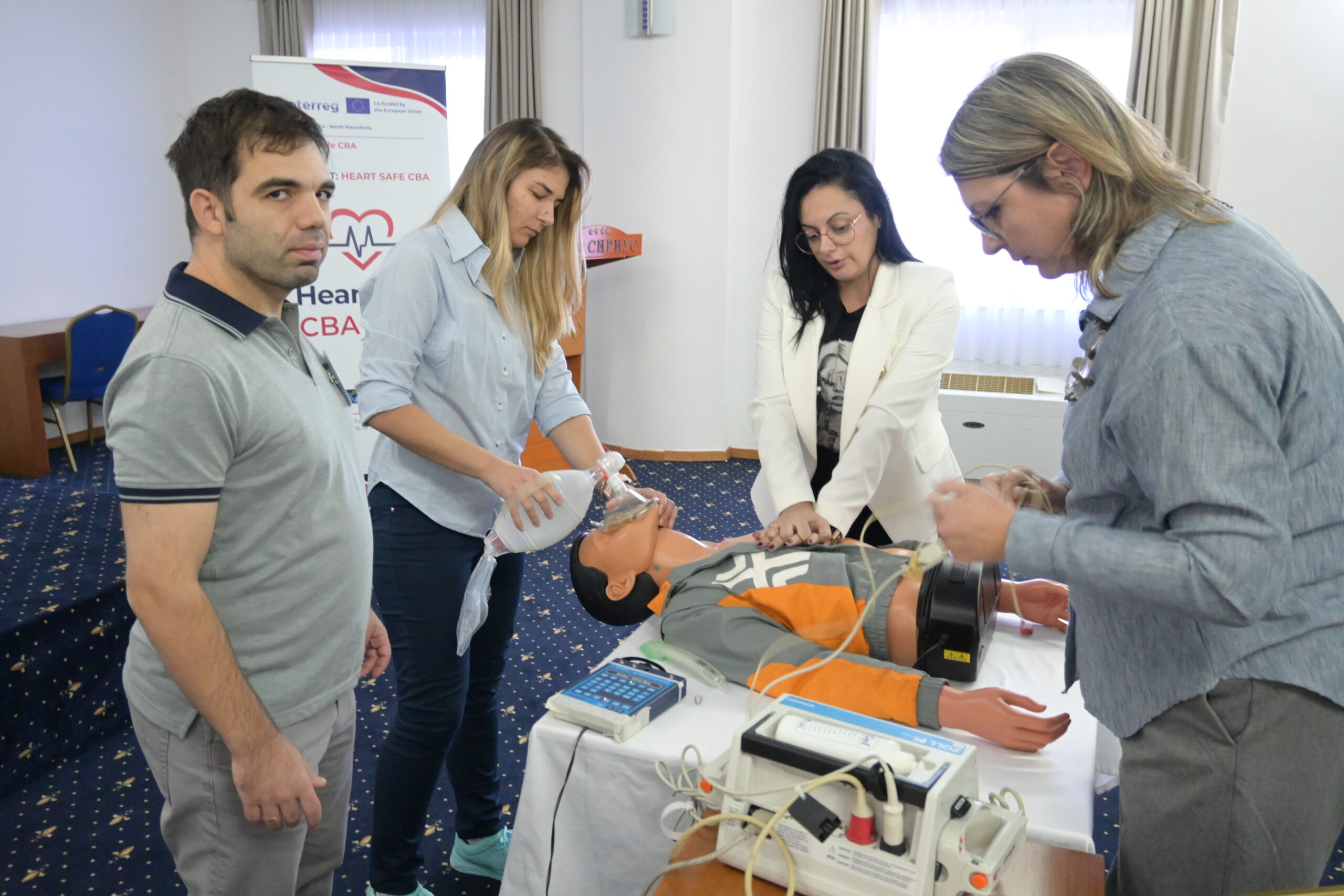
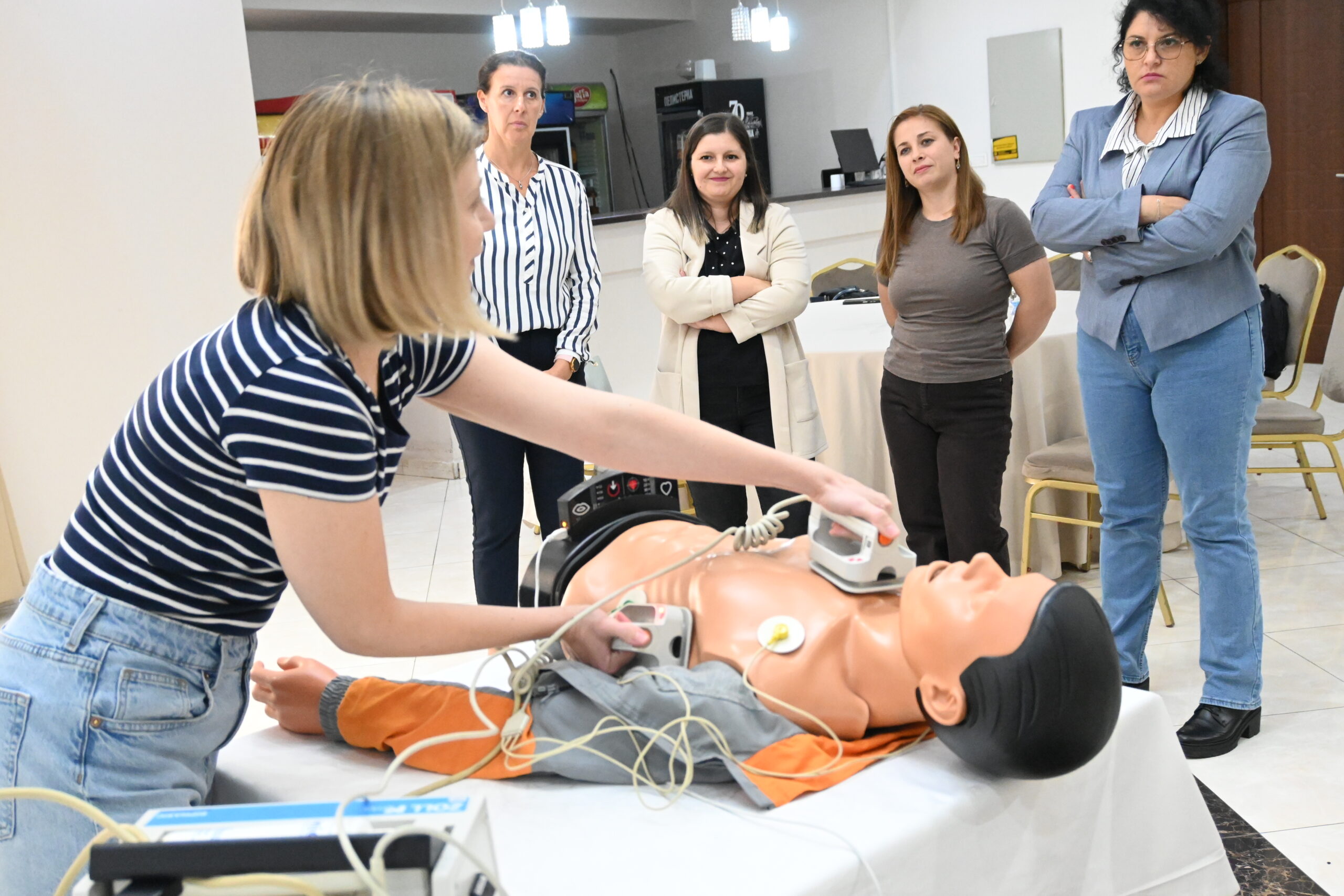
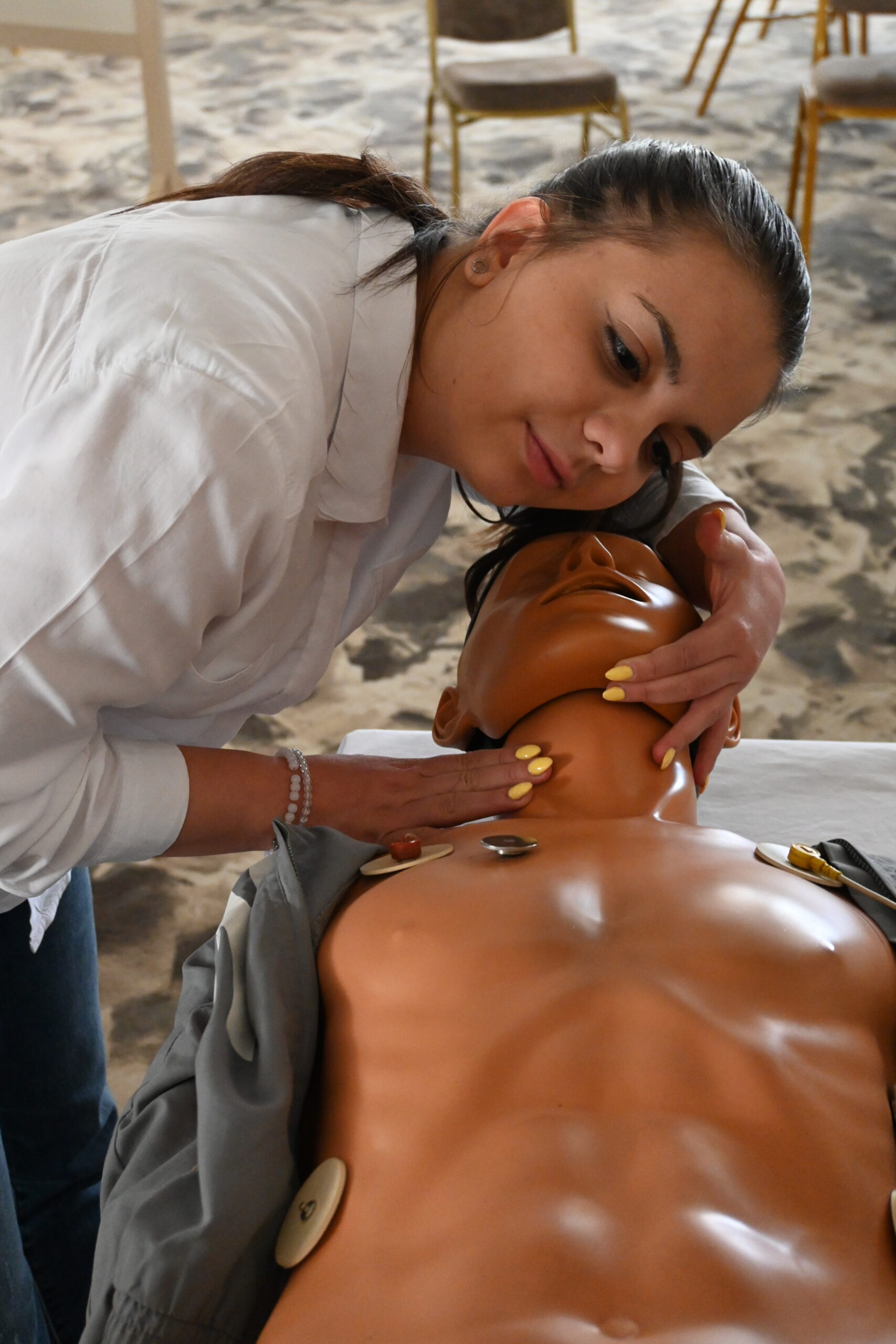
Special emphasis at the meeting was placed on the organization of an extensive education program. Within the framework of the project, 60 trainings on first aid using defibrillators will be implemented, intended for doctors, medical staff, employees of several institutions, as well as for citizens from the region.
With the implementation of these activities, the “Heart Safe CBA” project aims to improve the emergency medical care system, increase the readiness to respond to cardiac emergencies and contribute to creating a safer and more resilient cross-border community.

First G4G workshop, focused on sustainable tourism – held in Thessaloniki

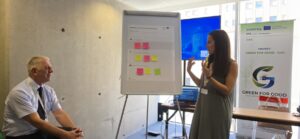
On 23 March 2026, the first workshop of the Green for Good (G4G) project was held at the CERTH premises in Thessaloniki, organised and hosted by CERTH/HIT.

The event brought together the project partners – Centre for Development of the South-East Planning Region, CISS International Cooperation South-South Branch Skopje, Centre for Research and Technology Hellas, and the Municipality of Thermi, and together with the other participants, they contributed to a constructive exchange of views and proposals on sustainable tourism and the smart planning of destinations.

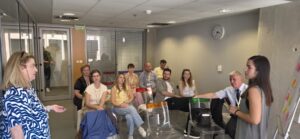
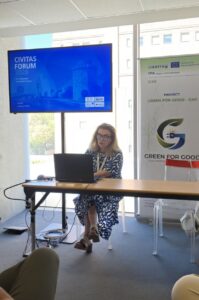
The workshop combined presentations with an interactive case study focused on Thessaloniki as a strategic tourism destination, creating space for discussion, reflection and the sharing of practical ideas. Participants explored how tourism can be developed in a more balanced and sustainable way, while also responding to the needs of local communities and visitors.

As the first workshop organised within the G4G project, the event marked a meaningful start to this series of activities and highlighted the value of cooperation, knowledge exchange and working together toward more sustainable and resilient communities.

Successful implementation of the Kick-off press conference for the Green for good project

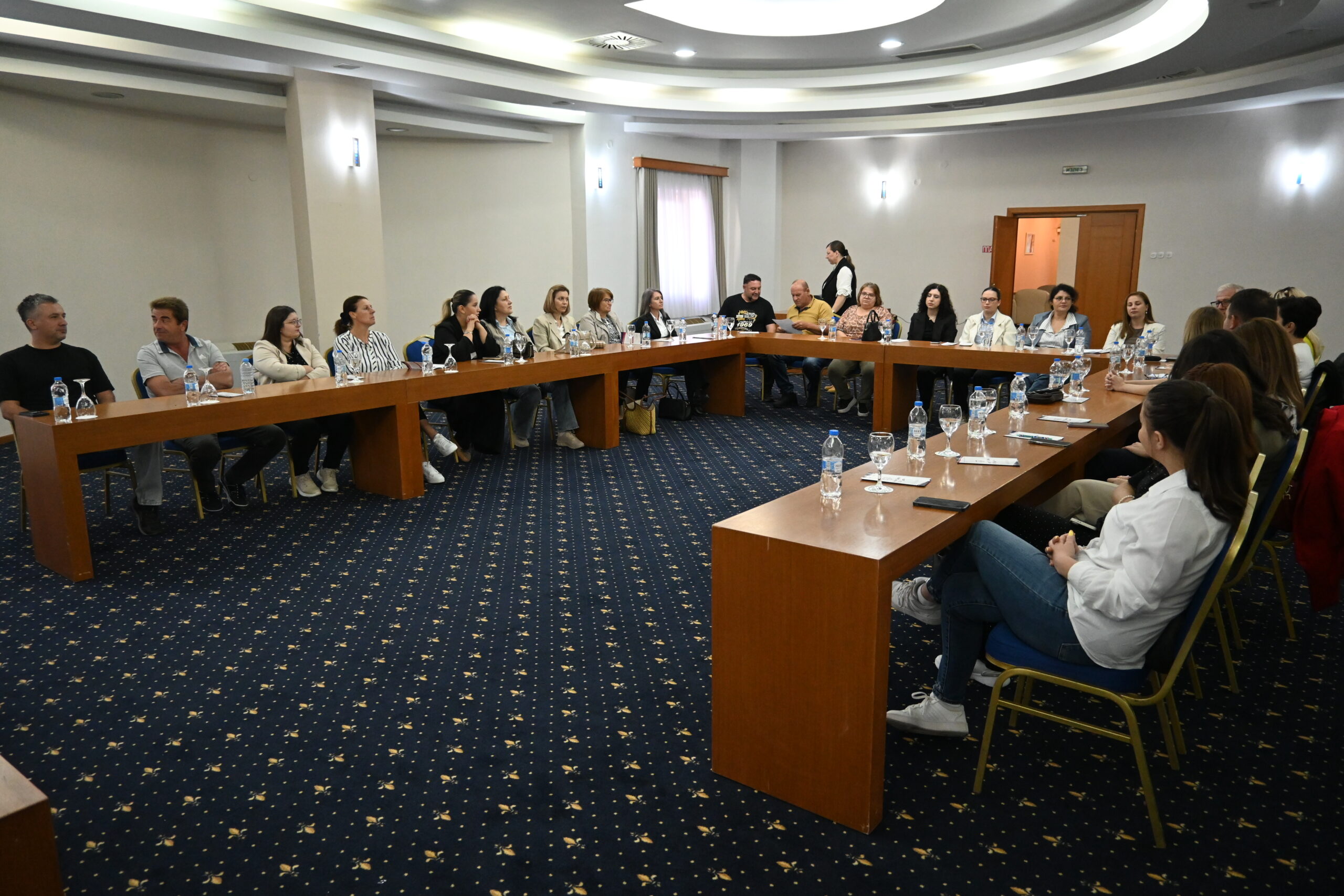
On 4 March 2026, at Hotel “Sirius” – Strumica, the kick-off press conference for the “Green for Good” (G4G) project was held, implemented under the Interreg VI-A IPA Programme “Greece – North Macedonia 2021–2027.” The project is co-funded by the European Union and the national funds of the participating countries.

The event was organized by the Centre for Development of the South-East Planning Region, with the participation of project representatives, institutions, government officials and media.

Media statements were delivered by Zlatko Perinski – Minister of Local Self-Government, Petar Jankov – President of the Council for Development of the South-East Planning Region and Mayor of Municipality of Strumica, and Jovan Kocev – Acting Director of the CDSEPR, followed by their welcome addresses, together with an address by Goran Boshkov – a representative of CISS. In his address, the Acting Director of the CDSEPR, Jovan Kocev, emphasized: “The value of this project lies not only in the individual activities, but also in the foundation it lays for long-term change. It strengthens the region’s capacity to plan and invest strategically, with better coordination among municipalities and alignment with national policies and European programmes.”

After the opening speeches the “Green for Good” (G4G) was presented as well as the promotional video for the project. The project is aimed at reducing pollution and improving air quality; increasing the use of renewable energy and introducing smart energy management; advancing sustainable mobility; developing green urban infrastructure and environmental education; and strengthening cross-border cooperation through joint initiatives and governance structures.

The project also foresees specific actions and investments, including the installation of 8 fast EV charging stations across the cross-border region, the installation of photovoltaic systems in several municipalities, and the establishment of Green Education Centres, with the goal of delivering long-term and sustainable benefits for the community.

The event concluded with a Q&A session and a constructive discussion on the upcoming activities and next steps in the project implementation.


“Cross-border cooperation for Fire Detection and Enhanced Fire Emergency Network for Waste Disposal”

On March 6, 2026 in Thessaloniki, Greece, was officially held the kick-off meeting of the project FIREDEFEND – Fire Detection and Enhanced Fire Emergency Network for Waste Disposal, launching the implementation of the project activities.

During the meeting, the partners presented their organizations and project teams as well as the planned activities and work packages. Key aspects of project management, financial and administrative rules, communication obligations, as well as the next steps for the successful implementation of the project were discussed.

The project aims to improve the early detection systems of landfill fires and strengthen the capacities for prevention and risk management, through the installation of pilot systems for early fire detection and the exchange of experiences and good practices between partners from Greece and North Macedonia.

A study visit to the Thermi-Panorama Ecological Park, which is successful example of the transformation of a former uncontrolled landfill into a modern ecological park, was also organized by Lead Partners as part of the event.

We express our sincere gratitude to our Lead Partners – FoDSA (Regional Association of Solid Waste Management Agencies in Central Macedonia) for the excellent organization and hospitality.

The FIREDEFEND project is implemented within the framework of the Interreg VI-A IPA Programme Greece – North Macedonia 2021–2027, co-financed by the European Union and the national funds of the participating countries.

#FIREDEFEND #Interreg #CrossBorderCooperation #Environment #FirePrevention


Representatives from associations and the business sector elected as members of the Development Council of the SEPR

Within the framework of the procedure carried out in accordance with the legal regulations and the published Public Call, a member was selected from among the associations of the Council for the Development of the South-East Planning Region.

The Local Action Group “Belasica – Ogražden” from Bosilovo, represented by Mr. Sašo Popovski, was selected as a representative from the associations.

Also, the Economic Chamber of the Republic of North Macedonia nominated Mr. Riste Skileski as a representative from the business sector, after which an appropriate decision was made for his membership in the Council for the Development of the South-East Planning Region.

This composition allows for broader involvement of the civil and business sectors in the processes of regional development in the South-East Planning Region.

Kick-off meeting of the project “Green for Good”

On October 15, 2025, the kick-off meeting of the Green for Good (G4G) project was held in Gevgelija, organized by the partner CISS International Cooperation South South Branch Skopje. The meeting was attended by representatives of the Centre for development of the South-East planning Region as the lead partner of the project, along with other project partners from Greece, the Center for Research and Technological Development – ​​CERTH and the Municipality of Thermi.

The event marked the official start of the implementation of the project, which is being implemented within the framework of the Cross-Border Cooperation Programme Interreg IPA Greece – North Macedonia 2021–2027, co-financed by the European Union and the national funds of the participating countries.

During the meeting, the partners presented their activities and roles in the project. Representatives of the Centre as the lead partner presented the activities related to the coordination, administrative management and implementation of the main investment – ​​procurement and installation of six fast electric chargers in the Municipalities of Valandovo, Strumica, Radovish, Gevgelija, Dojran and Novo Selo.

A special part of the agenda was dedicated to the visit of the location in Gevgelija, which within the framework of the project will be transformed into a Center for Education for Renewable Energy Sources. This center will serve as a place for training, workshops and activities to raise public awareness about sustainable energy and environmental protection.

The “Green for Good” project aims to encourage the development of a low-carbon economy, strengthen the use of renewable energy sources and contribute to sustainable tourism and green transition in the cross-border region between North Macedonia and Greece.

Through joint activities and partnerships, the project contributes to achieving the goals of the European Green Deal and creating a cleaner, more resilient and sustainable future for the region.

Working meeting for the implementation of the SEBCoVE project – Smart Electricity for Buildings

On October 14, 2025, a full-day working meeting dedicated to the implementation of the SEBCoVE (Smart Electric Buildings Competence Vocational Excellence) project was held in Skopje, funded through the Erasmus+ program of the European Commission – Brussels, with a total value of 3.7 million euros.

The teams of the three partner institutions: Emkice, Southeast Planning Region and SSKM actively participated in the meeting. The meeting reviewed past activities, current obligations and financial documentation for the new tranche of the budget, as well as priorities for the next nine months of project implementation.

As the host of the event, the newly elected President of SSKM, Mr. Goran Gjorgjievski, presented the new leadership of the Chamber, the newly established working bodies and groups, as well as the key directions in which the organization will develop. Particular attention was paid to the need for education and certification of new profiles of professional staff, which are in short supply on the labor market and represent an important segment for economic growth – in line with the objectives of the SEBCoVE project.

The South-East Planning Region presented the financial aspects and regional needs for the development of competencies in the energy, electronics and electrical sectors, highlighting the 12 training modules that will result in European certificates.

The National Project Coordinator, Mr. Ilija Vuchkov, gave an overview of the implemented and planned activities, as well as future steps related to the formal establishment of the CoVE – Centre of Vocational Excellence. This centre will represent a regional ecosystem that unites educational institutions, the business sector and public institutions in order to develop innovative training programs, practical work and new services in the field of smart electricity for buildings.

CoVE will offer:
* co-design of curricula together with companies
* pilot projects and practical work in real companies
* mobilities and internships for students and teachers
* introduction of European standards and monitoring of results
* support for startups and innovations and access to EU funding

The preparation of 12 certified trainings is in the final phase, and a public call for *experts, lecturers and young professionals who will be able to get involved in the implementation of the programs will be announced soon. The start of the courses is scheduled for November 2025, and participants will have the opportunity to acquire European recognized certificates in areas such as:

* digitalization and automation
* renewable energy sources
* energy storage and analysis systems
* installation of electrical networks and EV stations
* sustainability and energy efficiency management

The SEBCoVE project represents a significant step towards creating a professional workforce ready to respond to the challenges of the energy transition and contribute to the sustainable economic development of the Republic of Macedonia.

First meeting of the Regional Stakeholder Group for the SIJMA project

How social innovation combined with entrepreneurship can open up new opportunities for employment and sustainable development – ​​was the focus of the first meeting of the Regional Stakeholder Group for the SIJMA project.

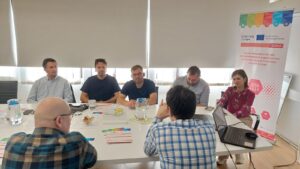
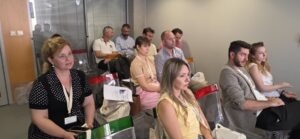
The meeting took place on 6 October 2025, at the premises of the Centre for Development of the South-East Planning Region in Strumica, and brought together representatives of local government, the business sector and civil society organizations. The project team shared experiences and good practices from the Asturias region in Spain, followed by an open dialogue and exchange of ideas with participants to identify local needs, define priorities and create recommendations for further economic and social development.

🎯 Why social innovation in the South-East region?

As highlighted at the meeting, social innovation is a key instrument for implementing new, creative and sustainable solutions to the social, economic, demographic and environmental challenges facing the region.

They enable the mobilization of local communities, civil society organizations and public institutions in joint problem-solving and the development of inclusive models of local development that contribute to a better quality of life.

The main challenge for the South-East region is the promotion of local and regional policies that encourage social innovation, youth participation and entrepreneurship – in order to create new employment opportunities, especially for young people and vulnerable groups, as well as strengthening social cohesion in rural and less developed municipalities.

The development of social entrepreneurship is of particular importance for the region, as it enables local communities to create sustainable economic activities that combine social and environmental goals with economic sustainability, contributing to long-term and balanced regional development.

💡 Connection with the Programe for Development of the South-East Planning Region
The project also focuses on the Programe for Development of the South-East Planning Region – a key document that defines the strategic priorities and directions for the development of the region.

Through SIJMA, the Programe will incorporate new content and concrete measures inspired by European experiences, making it a practical tool for improving working and living conditions, rather than just a formal document.

This approach allows European good practices to be adapted to the local context, fostering sustainable solutions, partnerships and innovations in the region.

🔍 Main objectives of the SIJMA project
The project aims to improve policy instruments that foster social innovation and entrepreneurship, especially among young people.

Planned activities include:
• Promoting social innovation in different economic sectors;
• Creating employment opportunities in the South-East region through future public calls and funding;
• Exchange and transfer of good practices between European regions;
• Improving policies to support social entrepreneurship.

🤝 SIJMA – Social Innovations for Job Opportunities and Development in Mining Regions in Transition is a project funded through the Interreg Europe Programme, implemented by the Centre for Development of the South-East Planning Region and Blink 42-21, in partnership with organizations from Spain, Hungary, Germany and Greece.